Review 002 · Matisse’s Femme au chapeau: A Modern Scandal · SFMOMA
Matisse From
Across the Room
Monet gets better the closer you get. Matisse gets better the farther away.

Two weeks ago at the de Young I stood in front of a Monet and watched Venice fall apart as I walked toward it. Palace into paint, water into smears. Then you step back and the world reassembles itself. Matisse runs the trick in reverse. Up close, the paint looks blunt, almost unfinished, like he owed somebody the canvas by Friday. Step back and the colors snap together. A green stripe becomes a face. A pile of pinks and blues becomes a harbor seen through an open window.
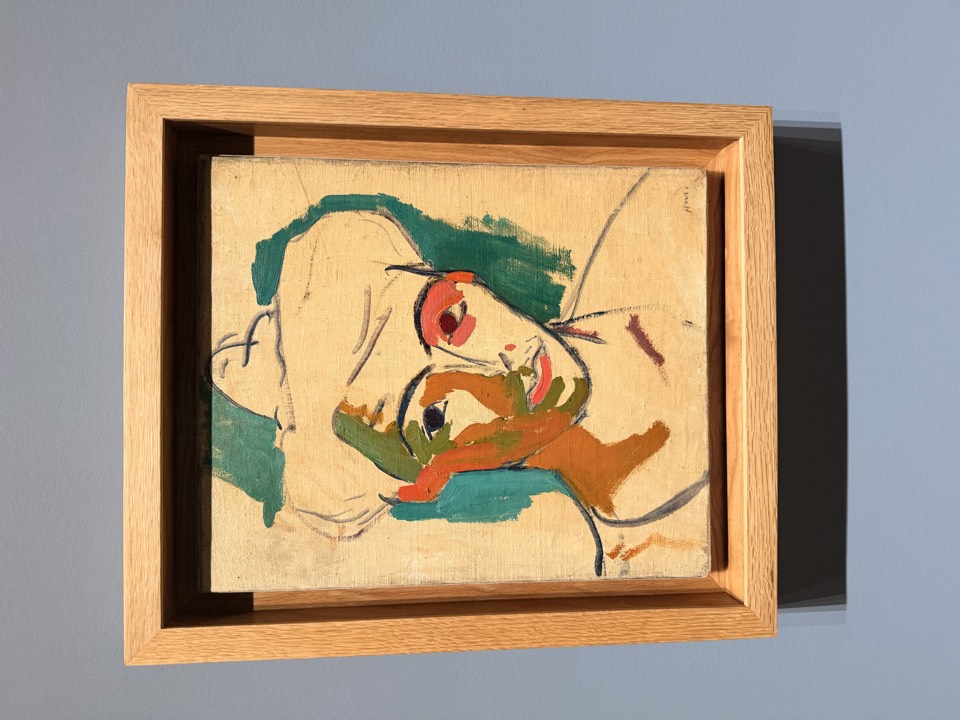
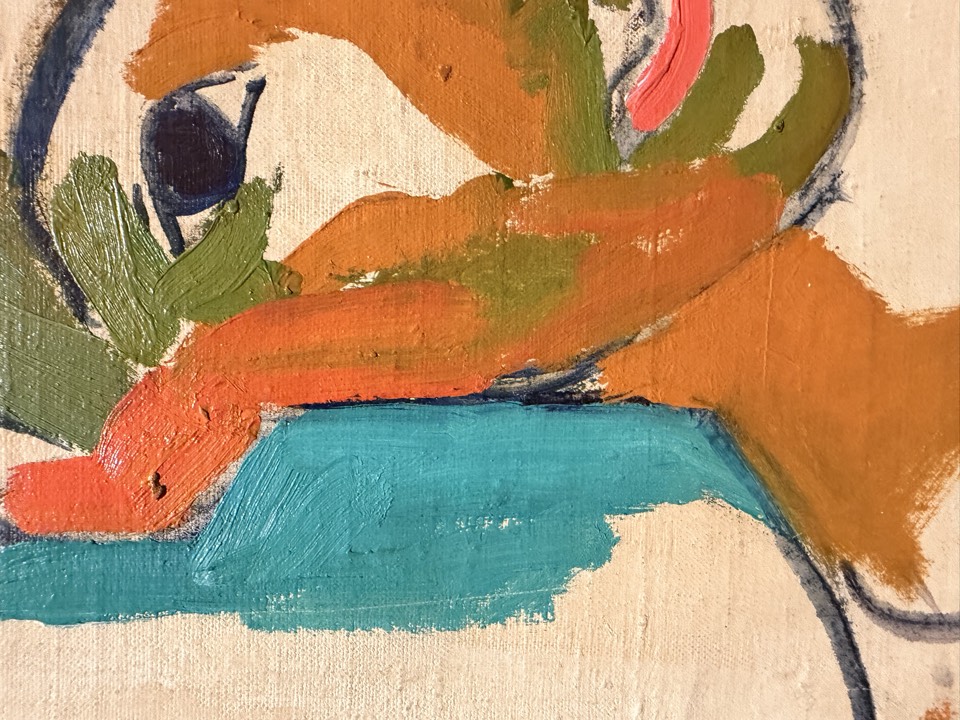
That was the clearest thing I learned at SFMOMA’s Matisse’s Femme au chapeau. Which is the problem, because the exhibition taught me how to look at Matisse without giving me enough Matisse to look at.

The show is built around one claim: Femme au chapeau changed painting. But one painting can’t carry seven galleries, so the museum builds an entire world around it instead. The Salon where it caused a scandal. The painters who hung next to Matisse. The collectors who bought it when everyone else was laughing, which in this case means the Steins, which means the painting’s whole afterlife runs through San Francisco. The artists who followed the path it opened.


So the exhibition’s real subject isn’t Matisse. It’s how a painting becomes important.
Regular readers will recognize this as my whole thing. Beauty has a supply chain, and this show is seven galleries of receipts: the venue, the rivals, the buyers, the critics. The de Young showed me where Monet’s Venice came from. SFMOMA shows me where a scandal’s reputation came from. Same machinery, demand side.
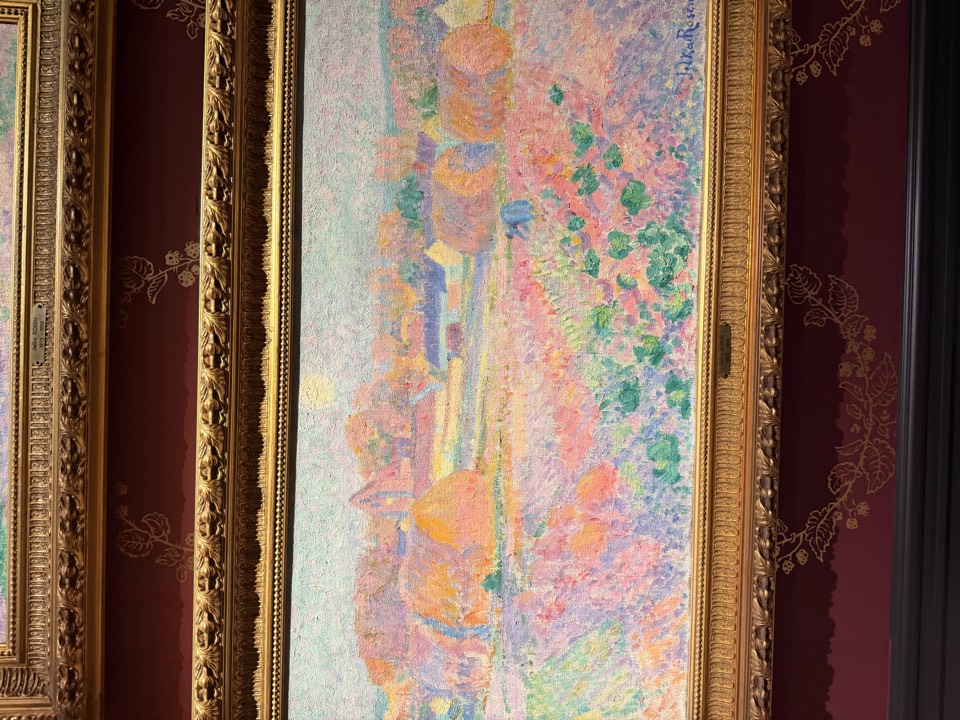
And the reconstruction works. The red wallpaper, the gold frames, the crowded Salon-style walls. They’re trying to give you back something a century of tote bags took away, because in 2026 a green face barely registers as a provocation. Surrounded by the work of his peers, though, you can actually watch color breaking out of its job. Its job was describing reality. Water turns orange. Trees go red. Skin goes blue. Color quits, loudly, painting by painting, and for a few galleries you get to watch the resignation letters go up.
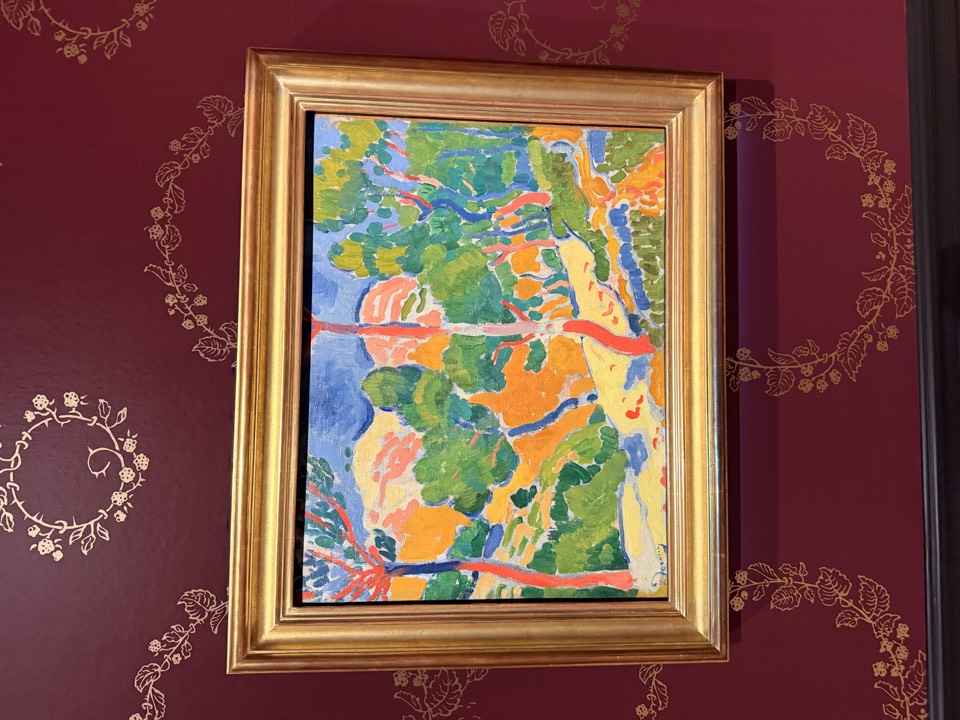
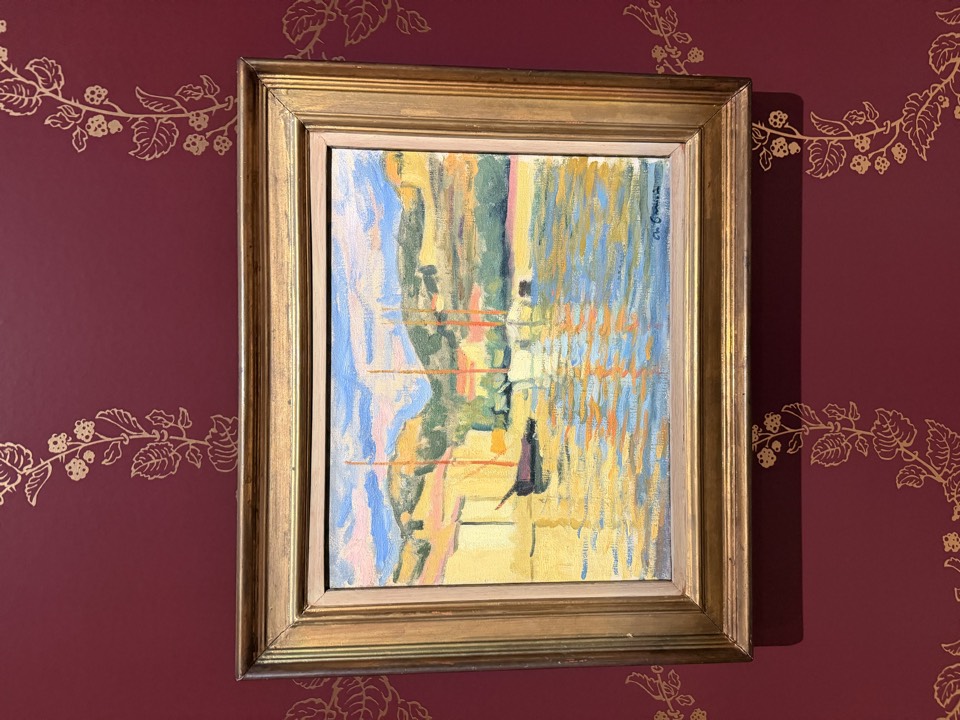
But the context creates a problem the museum didn’t intend. The surrounding artists are often as interesting as Matisse. Sometimes more. I kept drifting back to the paintings caught between Impressionism and Fauvism: boats dissolving into their reflections, landscapes built from pink and green, open windows turning rooms into fields of color. They still contain the world, but the world is starting to come apart in their hands.
That threshold interested me more than the revolution on the other side of it. I don’t think I’m supposed to admit that. I just did.
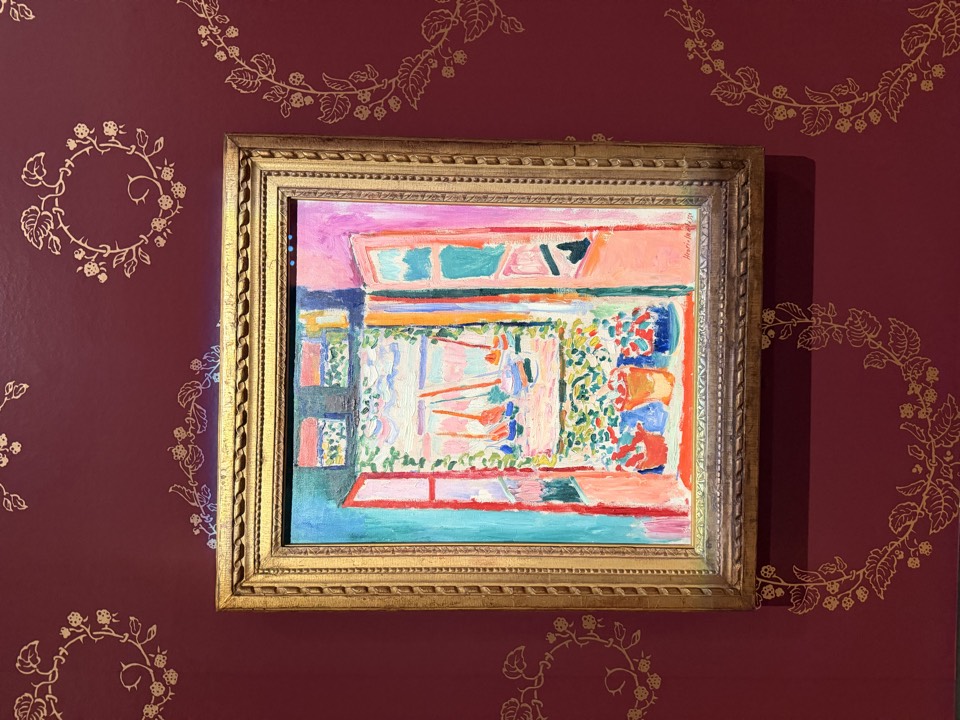
Even Femme au chapeau felt less unprecedented than advertised. Standing in front of it, I kept thinking about La Japonaise, Monet painting Camille in the red kimono. I wrote about that painting two weeks ago. Both men turn their wives into visual events. Costume, pattern, and color swallow the person wearing them. But Monet uses the fabric to show you how beautifully he can paint. Matisse uses it to test how little a painting can resemble reality before it stops working. That’s a real difference, and it’s the difference the whole show exists to make you feel.
.jpg)
It’s also a difference the museum had to work very, very hard to make me feel.
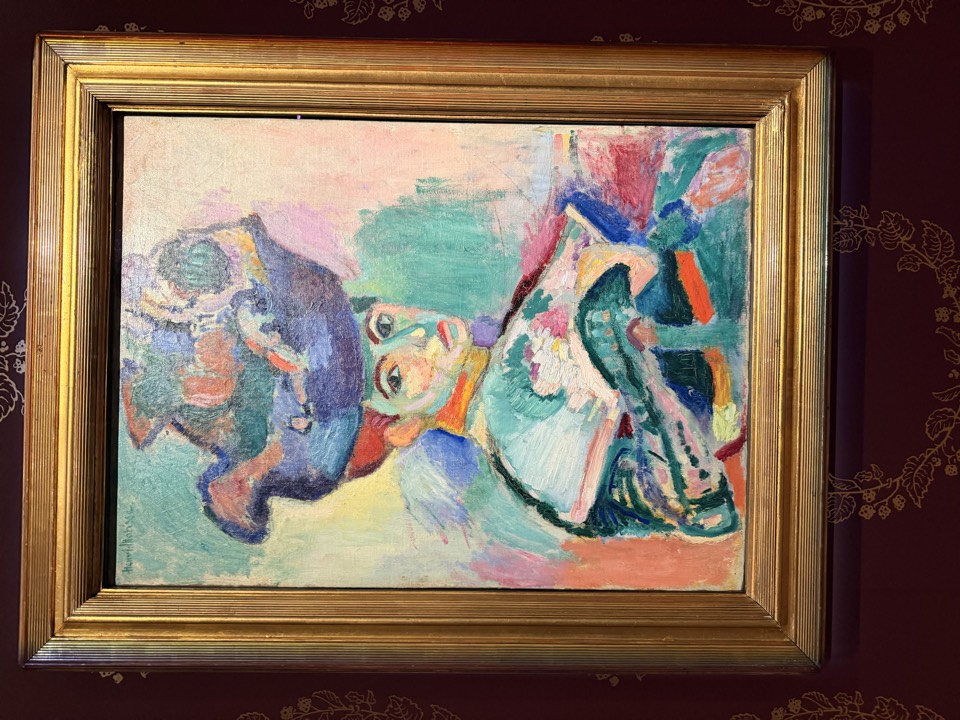
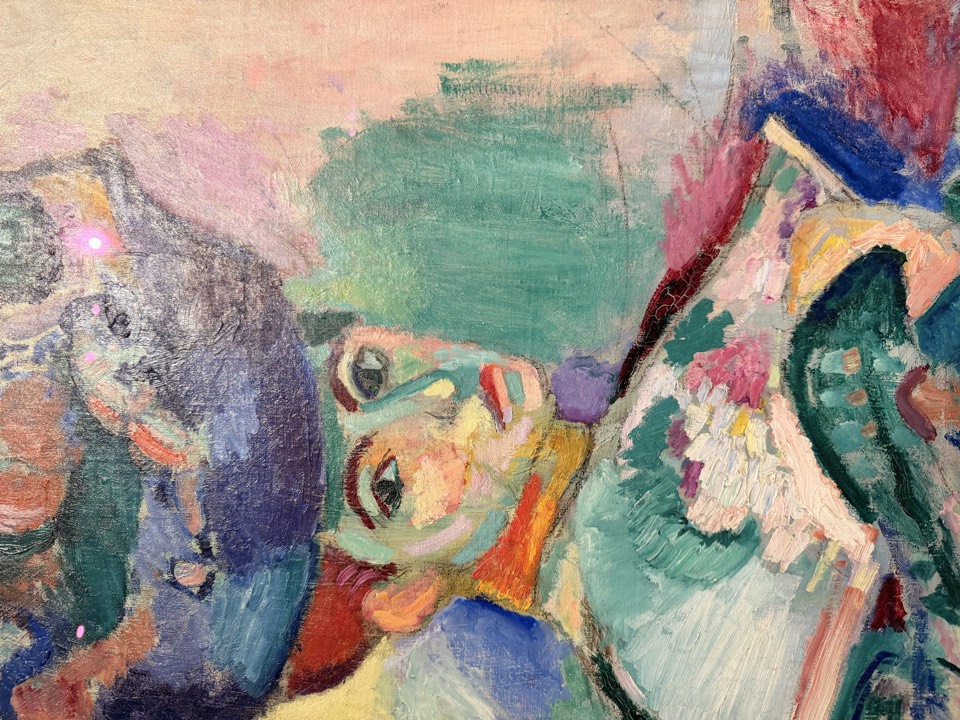
By the end I understood why Femme au chapeau matters. The scandal, the Steins, the influence, the permission slip it wrote for everybody after. But understanding why a painting is important isn’t the same as losing your breath in front of it. I lost my breath at the de Young. At SFMOMA I nodded. The museum built an excellent argument around Matisse because it didn’t have enough Matisse to build an excellent exhibition.
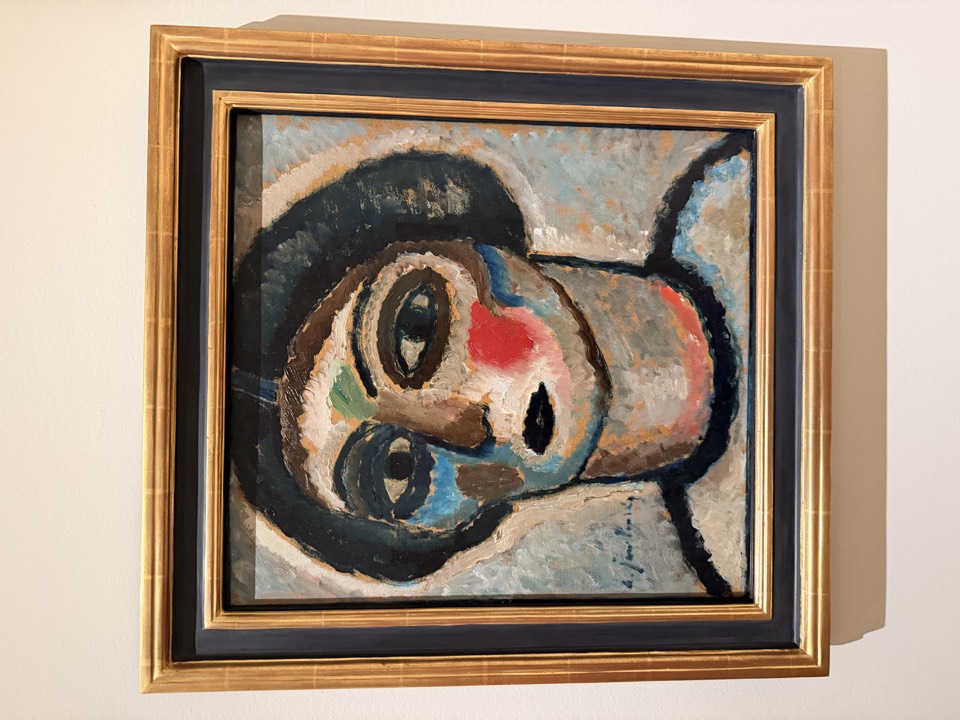
On the Ango scale, a 4 means passable: works in a pinch. This works in a pinch.

If you’re already at SFMOMA, walk through it, stand far away, and watch the green stripe become a face. But I told you to make a beeline for Monet, so believe me when I calibrate: this is not a beeline. This is not $42. This is a “you’re in the building anyway.”